.png)

Mist, coffee, and old bungalows: Explore South India’s atmospheric hill towns
Say “hill station” in India and most people immediately picture the North — Mussoorie, Manali, Dharamshala and the rest of the Himalayan favourites. Yet while the South may have fewer hill towns, the ones it does have possess a very different kind of charm: quieter, mistier and steeped in old-world atmospheres of bungalows, coffee estates and rain-soaked forests.
As “coolcations” rise in popularity, many travellers have begun heading south not just for the views, but to escape the heat and spend extended time in cooler, slower corners of the Western Ghats. The highland escapes in South India offer cooler temperatures with a slice of nostalgia. Each one has evolved in its own way, balancing its past with new experiences, stays and flavours. Here are five of the finest hill stations in the south, ideal for slowing down and beating the heat.
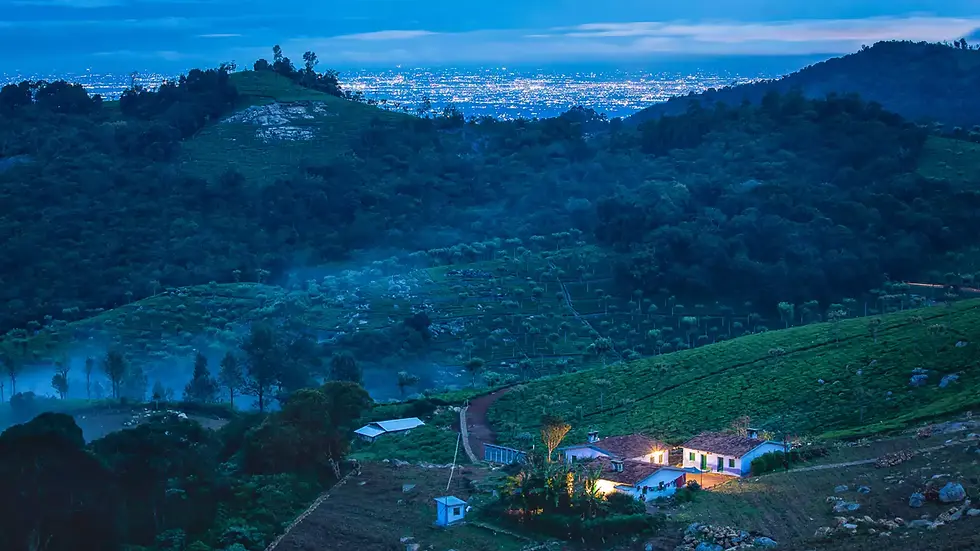
Coonoor
Smaller and more understated than its famous neighbour Ooty, Coonoor has always been the connoisseur’s hill station. Set amid undulating tea gardens in the Nilgiris, it still retains the gentleness of a place that grew organically. Heritage bungalows sit behind stone walls covered in creepers; the air smells faintly of cypress and woodsmoke.
The old-world charm remains intact — from afternoon tea at The Gateway to walks along Lamb’s Rock and the tranquil Sim’s Park, laid out in 1874 and still home to rare trees and flowering shrubs. Don’t miss the walk to Dolphin’s Nose for superb views of Catherine Falls. The slow pace of the town appeals to all age groups. Browse antique shops in Upper Coonoor, spend an afternoon tasting artisanal teas at Highfield Estate, or simply settle into a wicker chair on a verandah and watch sunlight shift over the plantations. The past is never far away for you can still hear the distant whistle of the Nilgiri Mountain Railway, but Coonoor has its own contemporary rhythm.
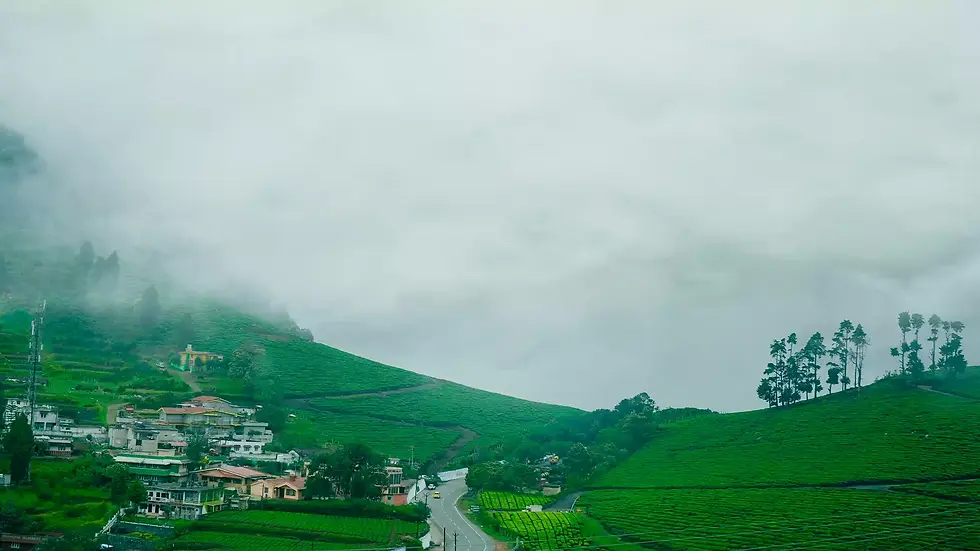
Ooty
Ooty may be larger and busier than it once was, but there’s a reason it remains the region’s most beloved hill station. Founded in the early 19th century by the British as a summer headquarters, Ootacamund (as it was then called) still bears the traces of that era: stone cottages with rose gardens, a beautiful botanical garden that dates to 1848, and the striking Fernhills Palace. Ride the Nilgiri Mountain Railway from Ooty to Lovedale for a nostalgic journey and stop by the Government Rose Garden in summer, when over 2,000 varieties bloom in layers of colour.
Despite its popularity with holidaying families, Ooty still offers quiet corners and timeless pleasures. Walk through the shaded lanes around Charing Cross early in the morning to catch sight of bakeries still using wood-fired ovens. Spend an afternoon on a boat at Ooty Lake or take the charming toy train which climbs through tunnels and forests on its way to Coonoor. In the evenings, stop for a hot chocolate (still made the traditional way) and enjoy the simple luxury of a chilly night. Ooty may have grown, but its heart hasn’t changed.

Coorg
Often referred to as the “Scotland of India,” Coorg (Kodagu) is a lush, forested landscape of mist-covered hills, sprawling coffee estates and fast-flowing rivers. It isn’t a hill station in the conventional sense as it’s an entire district, but the cool climate and landscape make it one of southern India’s most enduring escapes.
Colonial-era bungalows have been lovingly converted into homestays, many still run by Kodava families. Stay in one of these and you get more than a room: you’re drawn into a way of life rhythmically tied to coffee harvests, afternoon rain showers and long walks in the forest. The region’s natural beauty is matched by its rich culture; don’t miss a visit to the Tibetan settlement at Bylakuppe or an early-morning hike to Raja’s Seat to watch the valley fill with cloud. Visit the 17th-century Madikeri Fort and Omkareshwara Temple, or head to Abbey Falls after the rain to watch the water rumble through cardamom groves. If you’re feeling adventurous, try white-water rafting on the Barapole River, a contrast to Coorg’s otherwise languid pace.

Munnar
Tucked into the Western Ghats of Kerala, Munnar is all about emerald-green slopes, mist-filled valleys and vast stretches of tea plantation that seem to roll endlessly into the horizon. Once a favoured summer resort of the British, it still feels like a frontier between civilisation and wilderness. Just outside town lies Eravikulam National Park, home to the endangered Nilgiri tahr. Walkers and runners can choose from several scenic trails, including the route up to Anamudi peak, the highest point in South India.
Munnar today balances its colonial legacy with a growing list of nature-based experiences. Drop by the Tea Museum for an engaging look at plantation history, and plan an early morning trek into Kolukkumalai, the world’s highest tea estate, for spectacular sunrise views. You can stay in refined planters’ bungalows or in eco-lodges surrounded by shola forest, visit old tea factories to learn the craft of tea making, and end the day with a cup of freshly brewed orthodox tea while watching the light fade over the mountains.
Chikmagalur
Less polished and far more low-key than some of its southern cousins, Chikmagalur has become synonymous with coffee and long lazy weekends. Located at the foothills of the Mullayanagiri range in Karnataka, it offers a combination that’s hard to resist: winding roads shaded by silver oak trees, heritage coffee estates stretching as far as the eye can see, and the soft hum of cicadas in the background.
Stay in an old estate bungalow (many still come with vintage four-posters and wraparound verandahs), and let the days unfold slowly: a plantation walk in the morning, a lazy lunch of pandi curry or akki roti, followed by a siesta and an evening drive to sunset points like Baba Budangiri. Unlike more built-up hill stations, Chikmagalur feels untouched and offers the gift of silence, broken only by birdsong and the occasional bark of a plantation dog. If you’re looking for adventure, hike up to Mullayanagiri Peak for unforgettable sunrise views, or take a day trip to the exquisite Hoysala temples of Belur and Halebidu nearby.


Comments